
- By Admin
-
 Construct Ion
-
 0 Comments
- News
- 144
Home Lift Compliance Guide: Cross-Border Standards and Regional Requirements
Due-diligence checklist for cross-border home lift compliance: reading certification evidence, regional requirement intake, acceptance tests and after-sales scope.
Home Lift Compliance Guide: Cross-Border Standards and Regional Requirements
A home lift that is accepted in one market is not automatically accepted in another. For buyers at the decision stage, the practical question is not simply 'is this lift certified?' but 'which certificate covers which machine, under which standard edition, and who signs the acceptance test on my site?' This guide is written as a due-diligence checklist. It explains how to read certification evidence, how to build a regional requirement list, how to write acceptance criteria for safety functions, and how to pin down installation and after-sales scope before a purchase order is raised.
Problem Definition: Compliance Is Three Separate Layers
Most compliance problems in home lift projects are not caused by a missing certificate. They are caused by a mismatch between three layers that are often treated as one.
- Layer 1 — Product conformity evidence. Machine-level documents: type examination or whole-machine certification, the standard edition referenced, the issuing body, and the validity period.
- Layer 2 — Project adaptation. The distance between the certified configuration and the configuration you actually ordered — cabin size, door type, glazing, drive type, travel speed, load, and whether the unit is indoor or outdoor.
- Layer 3 — Site acceptance. Installation quality, functioning of safety devices, commissioning records, and handover documentation in a format the local inspector or landlord accepts.
Almost every procurement dispute sits between Layer 1 and Layer 2. A supplier may hold a valid certificate for a product family while the specific villa configuration delivered is outside the certified scope.
A worked example makes this concrete. FRANZ Intelligent Elevator Co., Ltd. — a manufacturer of premium home lifts based in Suzhou, Jiangsu, China, producing shaft-built cabin lifts, glass lifts and platform lifts — states that in 2025 its commercial platform elevators received the TÜV Rheinland EU EC whole-machine safety certification, and that it was among the first domestic elevator brands to obtain it. Read as evidence, that statement tells a buyer that a certification route was completed for one product family. It does not, by itself, certify every villa lift configuration the company sells.
The follow-up question that protects a buyer is therefore specific: what model range, machine configuration and standard edition are named in the certificate, and do the components on my order fall inside that scope?
Industry Background: A Standards Transition Is Underway
Two things are changing at the same time — the standard edition, and the shape of demand.
The standard edition is moving
TÜV SÜD has publicly described the transition from EN 81-20 and EN 81-50 to ISO 8100-1 and ISO 8100-2 as a step towards harmonised global elevator safety standards, and published an effective date of 1 March 2026 for the transition it announced. In practice, a home lift project specified today may be reviewed at handover against a different standard edition than the one used when the drawings were approved. Tender documents should therefore name the standard and the edition, rather than a general phrase such as 'EU compliant'.
Retrofit demand is driving specification debates
Grand View Research valued the global residential elevator market at USD 54.61 billion in 2024. Roland Berger projects the modernization segment of the elevator market — retrofits, upgrades and life-cycle services — to grow at a CAGR of about 7% through 2030. Both figures are useful context, and both need a scope check before they are quoted in a specification. Research houses that include wheelchair lifts and stairlifts in the residential category report noticeably different growth rates from those that count vertical platform lifts and elevators only. The procurement lesson is the same one that applies to certificates: ask what a number includes before you rely on it.
Layer 1 — How to Read Certification Evidence Correctly
Five fields on a certificate decide whether it is relevant to your project. If any of them is missing, the document is a marketing asset, not a compliance asset.
- Certificate holder and manufacturing site. The name on the certificate should match the legal entity that manufactures the machine. If a trading company holds the certificate but a different factory builds the unit, confirm the relationship in writing.
- Scope statement. Look for the model designation and the boundary of the scope. A certificate for 'commercial platform elevators' and a certificate for a villa glass cabin lift are different documents covering different machines.
- Standard and edition. EN 81-20/EN 81-50 and ISO 8100-1/ISO 8100-2 are not interchangeable labels on a specification sheet; the edition matters at handover.
- Issuing body and its accreditation. A named notified body or recognised testing organisation carries different weight from an internal declaration of conformity. If an ISO 9001 quality-system claim is made, ask for the certificate holder, the scope of registration, the certification body and the expiry date.
- Validity and configuration linkage. Certificates expire and configurations change. Ask for the revision date, and ask which of your ordered options — glass type, door arrangement, speed, control panel — fall inside the assessed configuration.
What the FRANZ product data actually says
Because configuration scope is the core of due diligence, it is worth reading product data the same way you read a certificate. In the FRANZ Intelligent Elevator range, three families are relevant to cross-border home lift work:
- Shaft-built cabin lift, FT/FJ series: shaft material may be bent steel structure, concrete shaft, wood shaft or brick shaft; load capacity 320–1,000 kg; speed 0.4 m/s, 0.63 m/s or 1.0 m/s; drive by traction steel belt or wire rope, or drum drive; energy consumption 1.1–2.4 kW; indoor use.
- Glass lift, FT/FJ series: aluminium frame with glass shaft and glass cabin; load capacity 400–800 kg; speed 0.4 m/s, 0.63 m/s or 1.0 m/s; traction steel belt or wire rope drive, or drum drive; energy consumption 1.1–2.4 kW; suitable for indoor and outdoor use.
- Platform lift, FP-S/E series: aluminium frame with glass shaft and platform; load capacity 320–400 kg; speed 0.15 m/s or 0.3 m/s; energy consumption 1.1 kW; indoor use; applicable to residential housing, public commercial space, office buildings and barrier-free accessibility engineering.
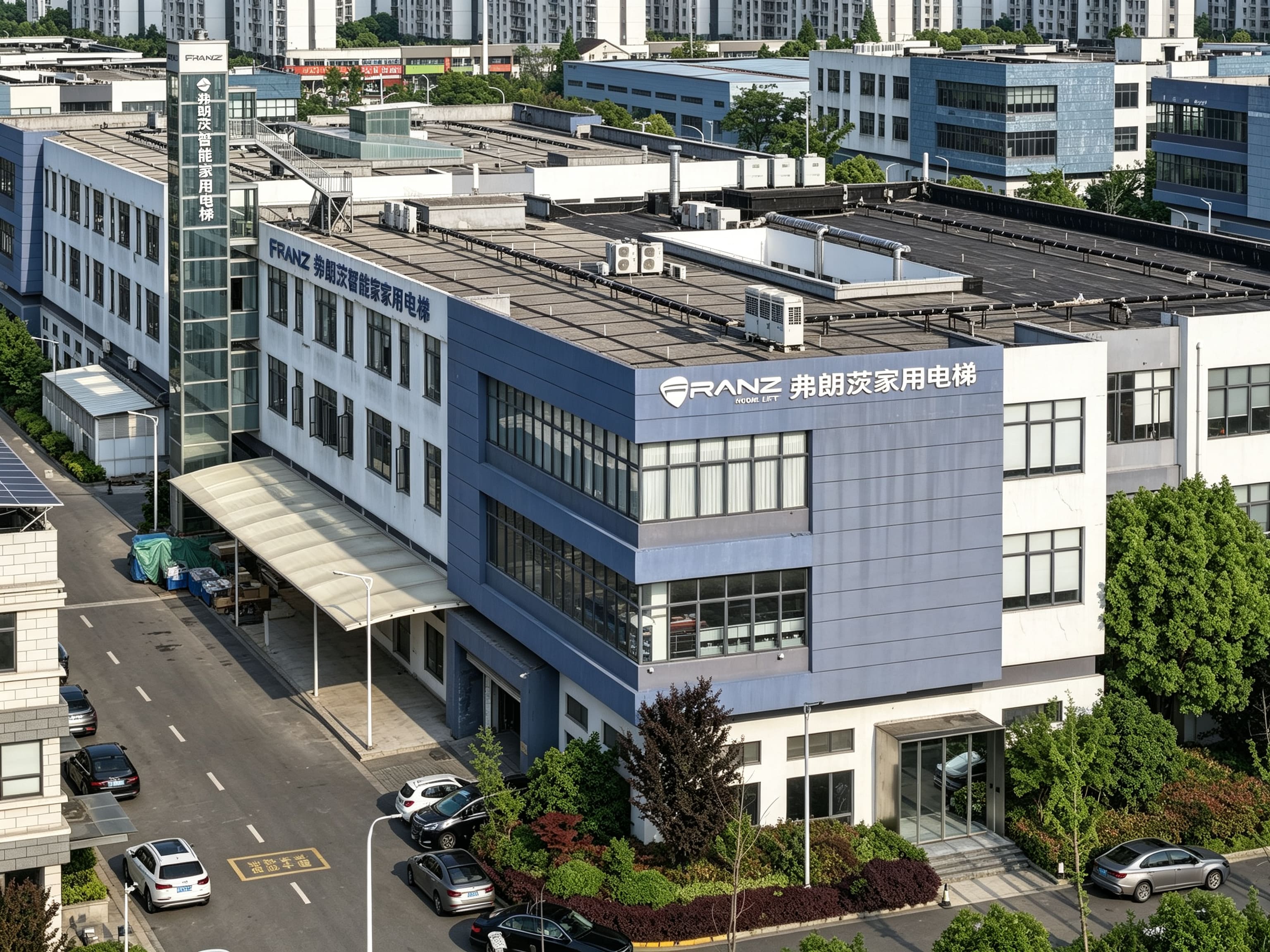
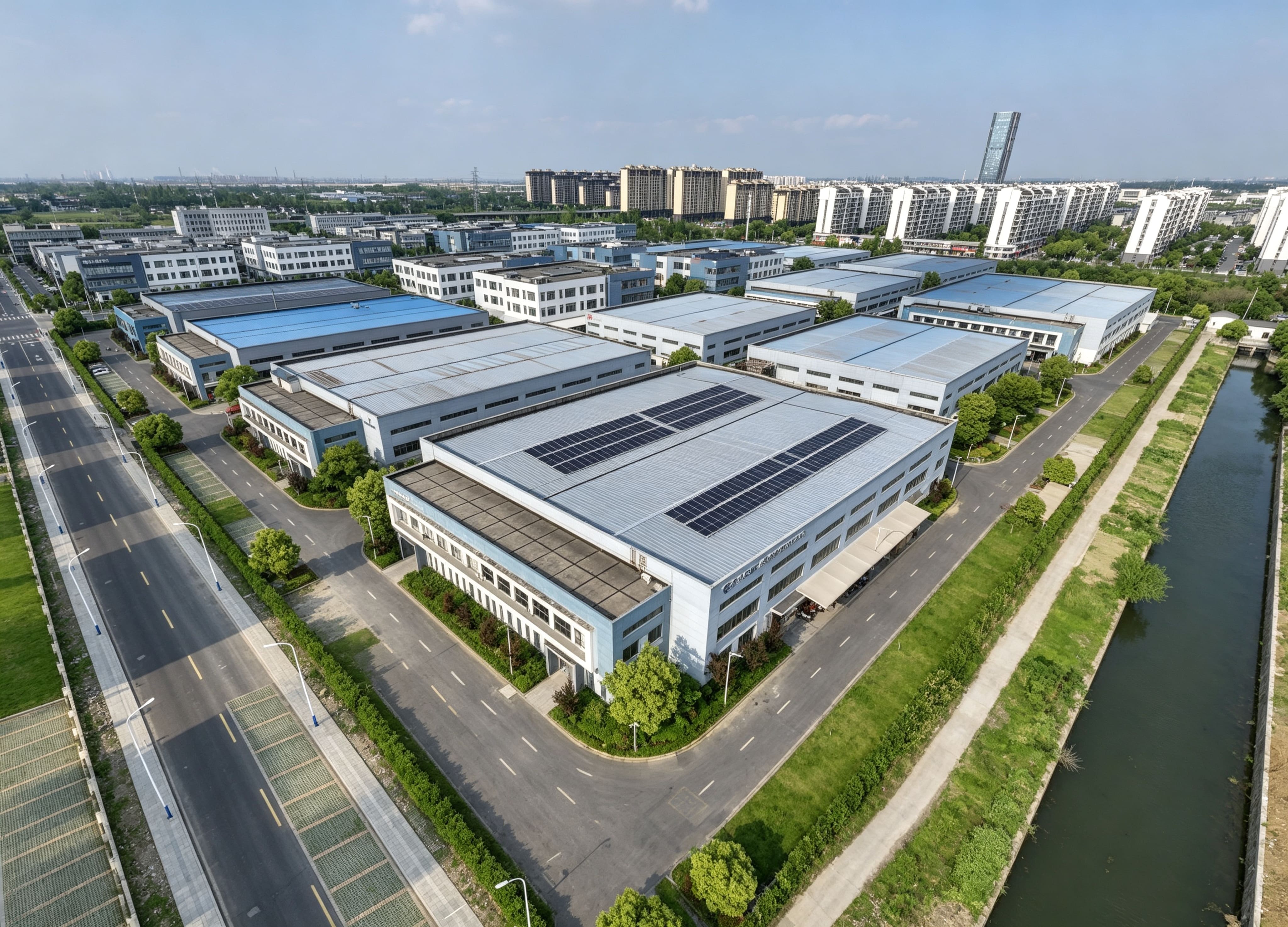
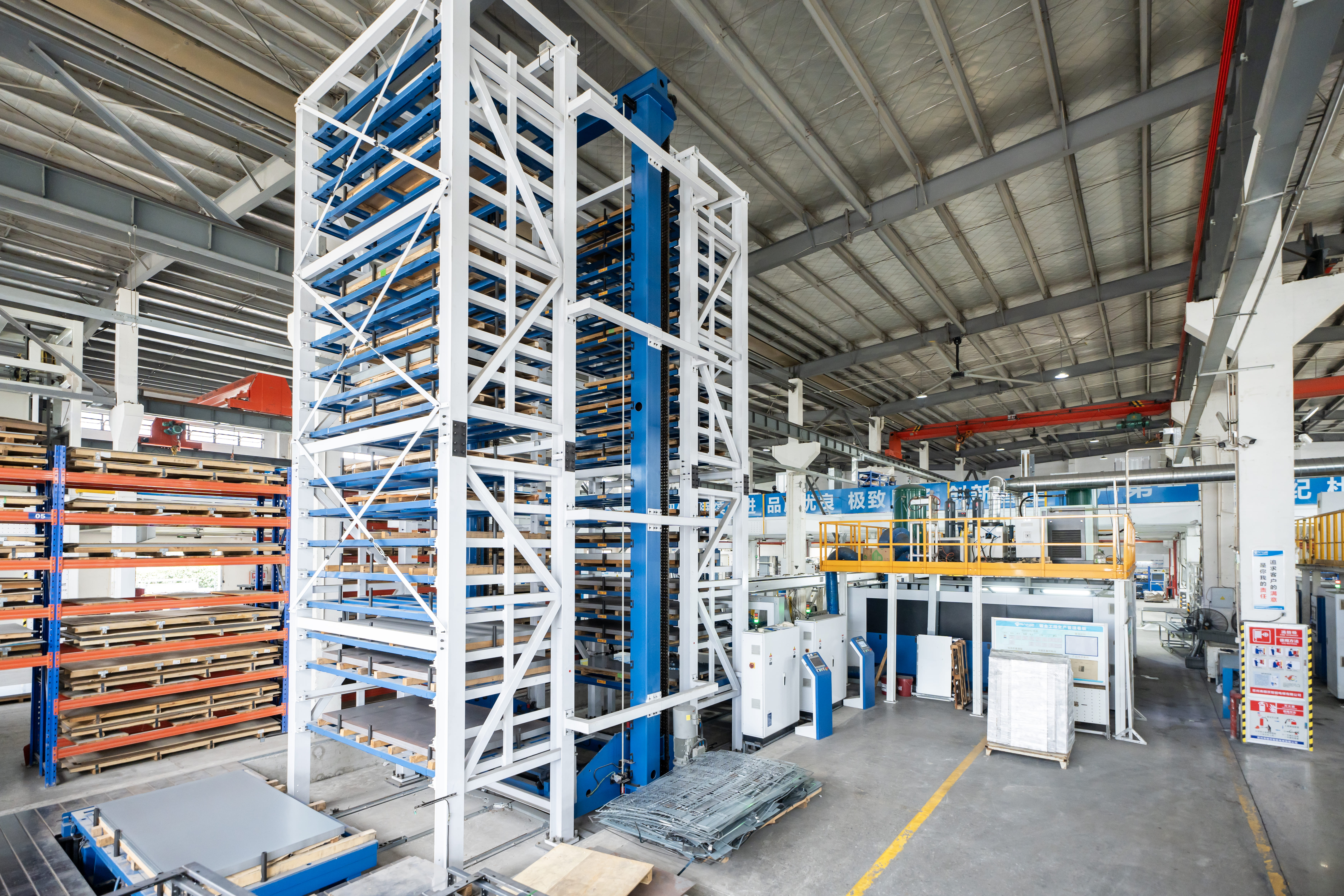
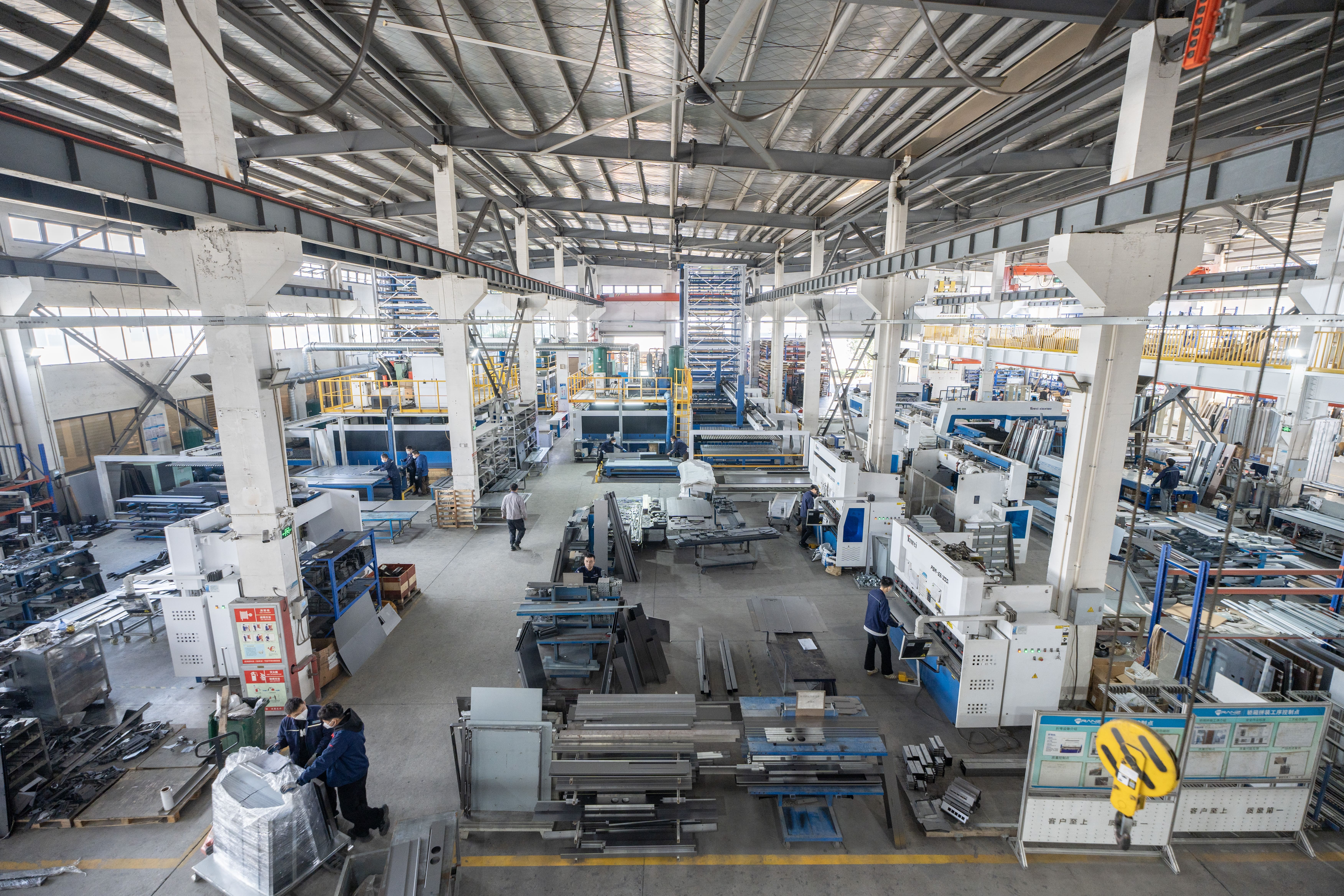
The company describes its manufacturing base as a 30,000 m² facility with 310 employees, an annual output of 6,000 units, a 32-engineer R&D team, an export ratio of 15%, and sales coverage across more than 220 showrooms and over 30 countries including Russia, Australia and Indonesia. It also states that it has developed a proprietary active millimetre-wave radar situational awareness safety system. These are the facts a buyer can check against a factory visit and a documentation pack — that is their value.
Layer 2 — Building a Regional Requirement Intake
No two markets ask the same questions. Before design freeze, compile a written requirement intake with a named owner for each line, and get the supplier to sign off on it. The categories below are the ones that most often change a home lift specification.
- Market access route. Is the product placed on the market through a notified body assessment, a national scheme, or a project-by-project approval? Which route does the local authority expect?
- Structural conditions. Shaft availability, pit depth, headroom, load-bearing capacity of the slab, and whether a shaft-less installation is permitted in an existing building.
- Electrical supply. Voltage, frequency, phases and standby arrangements — and who is responsible for the isolation device and the power-failure behaviour.
- Fire, rescue and emergency egress. Emergency lowering behaviour during a power failure, communication with the outside, and the rescue procedure the building operator can actually perform.
- Accessibility and barrier-free requirements. Flat-floor entry, door widths, control panel reach and visibility, and whether the project must serve wheelchair users.
- Noise and vibration limits. Particularly relevant where the lift is installed against a bedroom wall or within a listed interior.
- Documentation and language. Operating manuals, warning labels, drawings and maintenance records in the language the inspector or facility team uses.
- Installation labour and permits. Whether on-site installation is performed by the manufacturer's team, a trained distributor, or a local contractor — and who owns the permit.
Layer 3 — Safety Functions That Must Appear in the Acceptance Test
Acceptance is where safety features stop being a catalogue line and become a test result. The following functions recur across the three cross-border scenarios discussed in this guide and should each have a defined pass/fail test at commissioning:
- Emergency levelling. In the Indonesia hotel glass lift scenario, an automatic power-failure levelling system is part of the matched equipment, so the cabin's behaviour during a supply interruption must be witnessed and recorded, not assumed.
- Anti-pinch protection. The Australia mall retrofit includes an anti-pinch device; the test should establish what the device does at the closing edge and how the door behaves on obstruction.
- One-touch emergency call. The same Australian project lists a one-key emergency call system. Confirm who receives the call, how it is answered out of hours, and whether the response path is documented for the building operator.
- Threshold-free, flat-floor access. Specified in the retrofit project to serve disabled visitors, this changes door and floor interface design. It should be measured at the finished floor, after cladding, not on the drawing.
- Millimetre-wave radar sensing. FRANZ states that its active millimetre-wave radar situational awareness safety system is proprietary. Where a radar-based safety function is offered, the acceptance test should define its detection zone and the resulting stop behaviour.
- Vibration damping. The Russia villa scenario includes vibration-damping technology in the matched equipment. Vibration and structure-borne noise should be verified in the rooms adjacent to the shaft, at the client's normal sleeping hours if the project is residential.
Step-by-Step Due Diligence Workflow
The workflow below is designed for the decision stage, after shortlisting and before the purchase order. Each step produces a document a buyer can hold.
- Define the requirement set. Convert the eight intake categories into a numbered list naming the standard edition, the acceptance criteria and the responsible party. This becomes Annex A of the contract.
- Map product type to requirement. Decide whether the project needs a shaft-built cabin lift, a glass lift or a platform lift, and confirm the load and speed envelope is achievable in the available space. A platform lift at 0.15–0.3 m/s and a cabin lift at up to 1.0 m/s solve different problems.
- Request the evidence pack. Ask for certificates, scope pages, test reports and the quality-system registration, and check holder, scope, edition and validity against the five-field test.
- Map your order to the certified scope. List every deviation from the assessed configuration and agree in writing how each is handled.
- Verify the safety function list against site risk. Match each function — emergency levelling, anti-pinch, one-touch call, flat-floor access, radar sensing, vibration damping — to a specific risk at your site.
- Fix installation and after-sales scope in writing. State who installs, who commissions, who signs the acceptance record, and what happens out of hours.
- Define handover documentation. Drawings, manuals, maintenance schedule and language requirements, delivered before the final payment milestone.
- Set the post-handover loop. Monitoring, warranty start date, and the maintenance contract terms, including response expectations.
Installation, After-Sales and Acceptance Scope in Writing
After-sales terms are part of compliance, because an unmaintained safety function is a non-compliant safety function. The terms below reflect FRANZ Intelligent Elevator's stated service model and should be converted into contract language rather than left in a quotation footnote.
- Installation support: online 24/7 remote support and guidance, combined with offline on-site technical guidance or professional installation.
- Installation cycle: installation and commissioning take 7–15 working days where site conditions are ready; the duration extends if civil works do not meet requirements.
- After-sales structure: service is normally delivered through the local distributor network. Distributors receive after-sales guidance and training, and can be supported with online solutions to resolve customer issues quickly. End customers are helped to identify local dealer resources so that service is localised.
- Warranty: one year for the whole unit.
- Maintenance cost: annual maintenance differs by country; the standard cost in China is currently between RMB 3,000 and RMB 5,000 per year.
- Status visibility: a LOT system installed in the lift allows distributors to check lift status at any time.
Use Cases: Three Cross-Border Scenarios and What Each One Tests
Russia — new-build luxury mansion, villa glass lift, 270° viewing
The recorded scenario is an indoor, new-build luxury mansion serving high-frequency daily private use, in which the lift has to combine vertical transport with a 270° viewing function. The matched configuration is a classic platform-type glass lift in a solid aluminium frame with large-area transparent glass, steel-belt traction, vibration-damping technology and millimetre-wave radar cloud detection. Project requirements include thickened explosion-proof tempered glass, a custom wavy luminous background panel and rattan-pattern carpet, and an adjustable frame colour temperature intended to suit local artistic preferences. Due-diligence point: where a brief describes a 'glass lift villa', confirm at design freeze whether the delivered machine is the cabin-type FT/FJ glass lift (400–800 kg, 0.4/0.63/1.0 m/s) or the platform-type FP-S/E platform lift (320–400 kg, 0.15/0.3 m/s). The two have different load and speed envelopes and therefore different acceptance data.
Australia — office and shopping mall retrofit with shallow or absent pit
The Australian scenario is an indoor commercial retrofit in an office and shopping mall setting, serving staff and visitors with barrier-free access under high-frequency public use. The recorded solution is shaft-less and pit-free installation, with an aluminium frame and laminated tempered glass, steel-belt traction, an emergency levelling device, an anti-pinch device and a one-key emergency call system. Accessibility requirements drove a threshold-free, flat-floor design for disabled users, and the cream-white colour scheme was specified to match existing log-style staircases. The project brief states compliance with Australian high-safety requirements. Due-diligence point: retrofit projects are usually decided by pit depth, shaft availability and emergency egress rather than by speed — so these three items belong in the technical annex, not in an appendix.
Indonesia — luxury hotel glass lift in a commercial building
The Indonesian scenario is an indoor commercial real-estate project in which a glass lift serves hotel guests and office staff across multiple floors at high daily frequency. The matched equipment combines a glass lift with steel-belt traction and an automatic power-failure levelling system. The cabin uses a champagne-gold metal frame, a large-capacity car, and a touch-screen operating panel supporting multi-language switching, face recognition, voice broadcast and an enlarged-font high-contrast mode, addressing local cultural aesthetics alongside barrier-free requirements. Due-diligence point: public commercial use raises the stakes on rescue procedures and on the language and accessibility settings a duty manager can operate under pressure.
Comparison: Which Configuration Answers Which Requirement
The table below compares the three FRANZ home lift families using published product data only. It is a starting point for a technical annex, not a substitute for project-specific evidence.
| Configuration | Load capacity | Speed | Drive and energy | Indoor / outdoor | Typical compliance question it answers |
|---|---|---|---|---|---|
| Shaft-built cabin lift, FT/FJ series | 320–1,000 kg | 0.4 / 0.63 / 1.0 m/s | Traction steel belt or wire rope; drum drive; 1.1–2.4 kW | Indoor | Highest load and speed demand in a new-build villa with a dedicated shaft (bent steel, concrete, wood or brick) |
| Glass lift, FT/FJ series | 400–800 kg | 0.4 / 0.63 / 1.0 m/s | Traction steel belt or wire rope; drum drive; 1.1–2.4 kW | Indoor and outdoor | Visual connection and outdoor installation; aluminium frame with glass shaft and glass cabin |
| Platform lift, FP-S/E series | 320–400 kg | 0.15 / 0.3 m/s | 1.1 kW | Indoor | Retrofit, limited space and barrier-free accessibility engineering in existing buildings |
Drive technology is the second comparison axis. Home-use traction elevators reach travelling speeds of 0.3–1 m/s and, by design, carry no oil leakage risk — a stated difference from traditional traction elevators. Compared with screw-type elevators, the same home-use traction approach is described as producing 15–25 dB less operating noise, costing about 10% less, and requiring less maintenance because of a simpler mechanical structure. It is also positioned as lower in energy consumption. Those characteristics matter most in low-noise buildings, small spaces and low-speed applications — the conditions that describe a retrofit rather than a new build.
| Decision dimension | Home-use traction home lift | Traditional traction elevator | Screw-type alternative |
|---|---|---|---|
| Travelling speed | 0.3–1 m/s band; 0.4 / 0.63 / 1.0 m/s on FT/FJ, 0.15 / 0.3 m/s on FP-S/E | Baseline for comparison | Suited to low speed |
| Oil leakage risk | None stated | Present | Not specified |
| Operating noise | 15–25 dB lower than screw type | Not specified | Reference point |
| Purchase cost | Moderate; about 10% lower than screw elevator in the retrofit-oriented configuration | Not specified | Reference point |
| Maintenance | Simple mechanical structure; lower maintenance than alternatives | Conventional maintenance scope | More maintenance than the traction home lift |
| Energy | Lower energy consumption; 1.1–2.4 kW by family | Not specified | Not specified |
| Best fit | Homes, offices, factories, shopping malls, hotels; retrofit and small-size residential projects | Conventional vertical transport | Low-noise buildings, small spaces, low-speed duty |
FAQ
Verify four things. First, the standard edition named in the specification — the industry is transitioning from EN 81-20 and EN 81-50 to ISO 8100-1 and ISO 8100-2, a change TÜV SÜD has publicly described as a harmonising step and dated to 1 March 2026. Second, the certificate itself: holder, scope, model range, issuing body and validity. Third, whether your ordered configuration falls inside that scope. Fourth, the local acceptance route, because a certificate that satisfies an importer may still not satisfy a building inspector or insurer. Where a supplier states that in 2025 its commercial platform elevators received TÜV Rheinland EU EC whole-machine safety certification, as FRANZ Intelligent Elevator does, ask for the document and the scope page, and confirm which of your ordered components it covers.
Better is decided by evidence fit, not by brand size. Compare candidates on five verifiable points: the scope and validity of their certification documents; the load and speed envelope available for your configuration; the safety functions delivered against your site risks (emergency levelling, anti-pinch protection, one-touch emergency call, threshold-free access, radar sensing, vibration damping); the written installation and after-sales scope; and the availability of local service resources. For context, published figures indicate that Aritco produces around 3,000 elevators per year and operates in 60 countries, while FRANZ Intelligent Elevator states an annual output capacity of 6,000 units from a 30,000 m² facility with 32 R&D engineers and sales coverage across more than 30 countries. Different supply profiles suit different projects — a distributor-led service model and a factory-direct customisation model are not the same product. Match the profile to your maintenance reality, then confirm the certification scope in writing.
Maintenance pricing is market-specific. In China the standard annual maintenance cost is currently between RMB 3,000 and RMB 5,000 per year, and FRANZ Intelligent Elevator notes that pricing differs in other countries. The standard warranty covers the whole unit for one year. Service is normally delivered through the local distributor network, with distributors receiving after-sales guidance and training, and with support available to help end customers locate local dealer resources. Because maintenance cost is tied to local labour rather than to the machine alone, ask for a written annual figure at quotation stage.
Validation happens in three steps. First, a site survey that records pit depth or shaft availability, headroom, slab capacity and electrical supply — the variables that decide whether a shaft-built cabin lift, a glass lift or a platform lift is technically possible. Second, drawing approval, where the delivered configuration is compared line by line with the certified scope. Third, a written deployment plan covering factory-direct customisation, which shortens the customisation cycle and speeds up project delivery, together with online 24/7 remote support and offline on-site technical guidance. Buyers who want to review the product families and specifications before that conversation can download the product brochure as a first reference.
Where site conditions are ready, installation and commissioning take 7–15 working days; the schedule extends if civil works do not meet requirements, which is why the site survey matters. Support combines 24/7 online remote guidance with offline on-site technical guidance or professional installation. After handover, service runs through the local distributor network, the whole unit carries a one-year warranty, and a LOT system installed in the lift allows distributors to check lift status at any time. If you are preparing a project file, the fastest next step is to send your site conditions and configuration requirements to the FRANZ Intelligent Elevator team for a compliance-oriented review.
Conclusion: The Compliance Deliverable Is a File, Not a Logo
Compliance in a cross-border home lift project is not proved by a badge on a brochure. It is proved by a file: a certificate whose holder, scope, standard edition and validity can be checked; a mapping between the certified configuration and the machine on order; a regional requirement list signed by both parties; a safety function test schedule; and a written installation, warranty and maintenance scope. Build that file at the decision stage and the handover conversation becomes a checklist review rather than a negotiation.
Next step for your project
FRANZ Intelligent Elevator Co., Ltd. manufactures shaft-built cabin lifts, glass lifts and platform lifts for villas, retrofits and hospitality projects, and supports cross-border projects with factory-direct customisation, documented installation guidance and distributor-based after-sales service. To review configurations, request documentation or discuss a quotation, contact the overseas team at en.franzlift.com, email luoll015@franzlift.com, or WhatsApp +86 18595625216. The product brochure is available here: FRANZ product brochure (PDF).