
- By Admin
-
 Construct Ion
-
 0 Comments
- News
- 943
Franz vs Commercial Brand Home Elevators: A Head-to-Head Decision
Franz vs commercial-brand home elevators compared on customization, shaft fit, certification, purchasing terms, acceptance testing and installation scope for villa and hotel projects.
Franz Home Elevator vs Commercial Brand Home Elevators: A Head-to-Head Decision
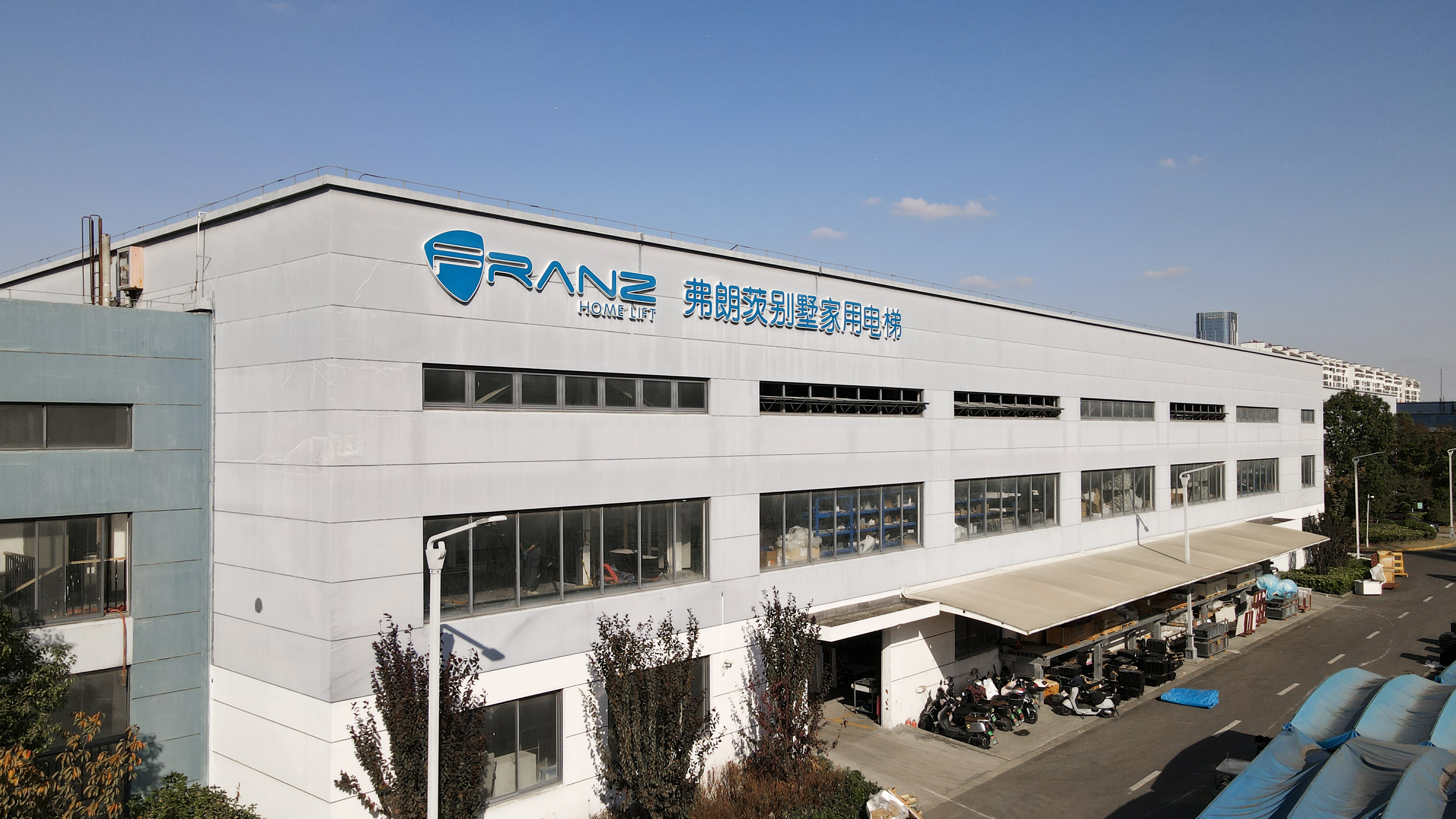
Choosing between a Franz home elevator and a commercial-brand home elevator is not a product-selection question. The headline specifications on both quotations can look almost identical. What separates them is the manufacturing model behind the quotation: FRANZ Intelligent Elevator Co., Ltd. is a manufacturer that builds only home elevators in Zhangjiagang, Jiangsu, China, while commercial-brand home elevators come from companies whose primary business is large-scale, standardised commercial vertical transport. That single structural fact changes customization cost, shaft fit, lead time and who owns service after handover.
This guide is written for buyers who have already shortlisted both routes and now have to commit — signature, purchase order, factory test, installation, handover. It compares the two options on the terms that decide project outcomes rather than brochure features, and it states only supplier facts that can be traced to Franz's own documentation or to published market data.
The Real Decision: Two Manufacturing Models, Not Two Product Lists
At the quotation stage, a Franz home lift and a commercial-brand home elevator are usually presented with comparable headline numbers: load capacity, travel speed, cabin size, floors served. Those numbers rarely decide the project. What decides it is whose engineering adapts to whom.
Commercial elevator factories concentrate their resources on commercial, large-scale, standardised production. Customization is possible, but it is priced and scheduled as an exception: cost rises and lead time lengthens, and a solution tailored to one specific villa becomes harder to deliver. The client is normally expected to make the shaft dimensions conform to standard product specifications — the buyer adapts to the product.
Franz develops customised home elevator solutions against each customer's specific needs. The Franz range covers three lines: the FT/FJ series shaft-built cabin lift, the FT/FJ series glass lift, and the FP-S/E series platform lift. Aesthetic design and ease of installation have been proven through extensive market testing, and the engineering brief starts from the site survey rather than from a catalogue envelope.
The second difference is whom the product is built for. Commercial elevator brands primarily serve B-end clients, who place less demand on detail. Home elevator end customers are C-end homeowners who hold extremely high standards for quality, aesthetics and every visible detail. Franz builds every unit to C-end standards and provides in-depth, personalised service across design, production and installation.
Industry Background: What Changed for Buyers in 2026
Three market signals frame this decision, and all three push the same way — toward projects where fit, retrofit capability and documented compliance matter more than catalogue breadth.
1. The residential segment is now a large, separate market
The global residential elevator market reached USD 54.61 billion in 2024, according to Grand View Research. A segment of that size supports dedicated home-elevator manufacturers; it is no longer a side line for commercial factories alone. That is precisely why a head-to-head decision now exists at all.
2. Retrofit and modernization work is the growth edge
Roland Berger projects the modernization segment of the elevator market to grow at a CAGR of 7% through 2030. Retrofit and existing-house installations bring constrained shafts, shallow pits and low headroom — conditions that favour a supplier able to engineer around the building rather than a supplier that requires the building to be re-engineered.
3. The safety standards themselves are moving
The transition from EN 81-20/50 to ISO 8100-1 and ISO 8100-2 is harmonising global elevator safety standards, with an effective date of 1 March 2026 as described by TÜV SÜD. A certificate that satisfied a 2024 tender may reference a superseded framework. Compliance is therefore a live purchasing variable, not a one-off document check.
For scale context on the commercial side: Aritco Lift AB produced approximately 3,000 elevators per year as of late 2025 and operates in 60 countries, according to Aritco's own company information. That is the profile of a commercial-scale producer — high volume, broad geography, standardised platforms. High volume is not a defect; it is a different optimisation target, and it explains where customization becomes expensive.
What Actually Differs: Five Points That Decide the Project
1. Manufacturing DNA and the cost of customization
A commercial-origin factory optimises for repeatable volume. When a villa requires a non-standard cabin geometry, a specific door-frame integration or a finish matched to an interior scheme, that request is handled as an exception — with the cost premium and extended lead time that exceptions carry. A home-elevator-only manufacturer treats the same request as the normal operating mode, because every order already runs through a project-specific design step.
2. Drive, noise and vibration
Franz uses low-noise steel-belt traction. Competitors mostly use screw, hydraulic or traditional wire-rope traction, which brings oil-leakage risk, heavier wear or noise issues. Home-use traction elevators reach 0.3–1 m/s, and steel-belt traction is suitable for retrofit and small-size residential projects; operating noise is 15–25 dB lower than screw type, the mechanical structure is simple with less maintenance, and cost is around 10% lower than a screw elevator. Franz's FT/FJ lines run at 0.4, 0.63 or 1.0 m/s; the FP-S/E platform lift runs at 0.15 or 0.3 m/s.
3. Space utilisation and shaft fit
Franz solutions are flexibly tailored to each client's actual site conditions and specific requirements. Commercial elevator factories typically require the client's shaft dimensions to strictly conform with their standard specifications. Franz also supports zero-pit and ultra-shallow-pit self-support shaft configurations for limited civil conditions, where many commercial elevator brands require a deep pit and high overhead height with heavy civil work. The FT/FJ cabin lift accepts bent steel structure, concrete shaft, wood shaft or brick shaft.
4. Safety architecture: active versus passive
Franz equips its lifts with a proprietary active millimeter-wave radar situational awareness safety system. The distinction is architectural: active detection intervenes before contact, while the passive safety devices found in traditional commercial elevators respond after an event. In 2025, Franz's commercial platform elevators received the TÜV Rheinland EU EC Whole-Machine Safety Certification — among the first domestic elevator brands to obtain it.
5. Installation and after-sales ownership
Franz provides online 24/7 remote support and guidance, plus offline on-site technical guidance or professional installation. Routine after-sales service is normally provided through the local distributor network: distributors receive comprehensive after-sales guidance and training, or receive online solutions to resolve customer issues immediately; end customers are helped to locate local dealer resources so that service is professional and localised. A lift LOT system onboard the unit lets distributors check lift status at any time.
Step-by-Step: A Decision-to-Execution Checklist
The comparison above tells you which model fits. The checklist below is the sequence that turns the decision into a delivered lift without surprises.
Step 1 — Survey the civil conditions before requesting a quote
Collect shaft width and depth, pit depth, floor heights, door sizes, plus four project facts: private family or commercial use, new build or renovation, finishing requirements, and budget range. Without these, a quotation is an estimate, not a specification.
Step 2 — Match the lift type to the site, not the site to the lift
- Concrete or brick shaft already built: the shaft-built cabin lift (FT/FJ) is the direct fit, with 320–1000 kg load and steel-belt or wire-rope traction.
- Large shaft, visual statement required: the glass lift (FT/FJ) with aluminium frame and glass shaft plus glass cabin, 400–800 kg, rated for indoor and outdoor use.
- Small space, existing house or a retrofit: the platform lift (FP-S/E), 320–400 kg, aluminium frame with glass shaft.
- Public commercial or accessibility use: a commercial platform lift, where EU certification and barrier-free requirements govern the selection.
Step 3 — Run five supplier-risk checks
Supplier risk in the home lift category concentrates in five places, and each has a practical mitigation:
- Over-promised warranty. A long warranty offered to win the order can be followed by discontinued spare parts or maintenance. Mitigation: investigate factory scale, production capacity and business history, and prioritise real manufacturers over small workshops.
- Component quality. Low-quality core components, sub-standard drive units, safety systems and door assemblies cause frequent failures. Mitigation: review enough real project cases, and visit the production factory where possible.
- Craftsmanship. Poor welding, frame and connection workmanship produce noise, vibration and fast component wear. Mitigation: inspect sample lifts or a factory inspection, focusing on product details.
- Certification. Missing or market-mismatched certificates create acceptance risk. Mitigation: double-check certificates and test reports against the target market.
- After-sales. OEM units without adequate original-manufacturer support cause prolonged downtime. Mitigation: confirm spare-part supply and delivery time, remote support and local on-site service terms in advance, and write after-sales obligations into the contract.
Step 4 — Fix the commercial terms
Franz's stated purchasing terms are a minimum order of 1 unit, delivery on EXW, FOB or CIF terms, and payment by TT. A single-unit MOQ matters more than it appears: it allows a trial order, a sample installation, or a first project with a new distributor without inventory risk.
Step 5 — Define acceptance criteria before production starts
Acceptance at Franz is defined as pre-shipment testing and factory testing. Agree the test items, the record format and who witnesses the test before the order is released to production. This is the point where a head-to-head comparison becomes contractual rather than rhetorical.
Step 6 — Schedule installation, handover and service
Installation and commissioning take 7–15 working days once site conditions are ready; the duration extends if civil work does not meet requirements. Factory-direct customization shortens the customization cycle and speeds project delivery. The whole unit carries a 1-year warranty, and annual maintenance is quoted separately against local conditions.
Use Cases: Where Each Configuration Fits
The comparison behaves differently across project types, and the reference installations below show what the difference looks like in practice.
New-build villa with an existing concrete shaft
A domestic new-build villa project required the lift to sit inside a spiral staircase, with the door frame seamlessly integrated into the shaft wall and an arched antique bronze art door frame with fan-shaped floral reliefs matching a French light-luxury interior. The matched configuration was a shaft-built cabin lift with steel-belt traction and a cloud monitoring system. A commercial-standard product would have required the shaft to conform to its own frame geometry; here the frame conformed to the interior.
Luxury mansion requiring a visual centrepiece
A Russian luxury mansion project needed 270° viewing plus vertical transport under high-frequency daily use. The matched configuration was a classic platform lift with solid aluminium frame and large-area transparent glass, custom wavy luminous background panel and rattan-pattern carpet, adjustable frame colour temperature tuned to the client's aesthetic, and thickened explosion-proof tempered glass — combined with vibration-damping technology and millimeter-wave radar cloud detection.
Commercial office and shopping mall with accessibility duties
An Australian office and shopping mall project needed barrier-free access for staff and visitors with no shaft and no pit available. The matched configuration was a platform lift with steel-belt traction, emergency levelling and anti-pinch device, and a one-key emergency call system: shaft-less and pit-free installation, laminated tempered glass on an aluminium frame, threshold-free flat-floor design for disabled access, and a cream-white finish matched to the timber staircase.
Hotel and hospitality interiors
An Indonesian commercial real estate project needed multi-floor guest transport with a hospitality-grade finish. The matched configuration was a glass lift with steel-belt traction and automatic power-failure levelling, champagne-gold metal frame and glass cabin, large-capacity car, and a touch-screen panel supporting multi-language switching, face recognition, voice broadcast and an enlarged-font high-contrast mode for accessibility.
Comparison Table: Franz vs Commercial-Brand Home Elevators
The table below compares the two routes on the dimensions a buyer actually negotiates. Franz figures are Franz's own documented specifications; the commercial-brand column reflects the general manufacturing model described earlier, with one named verified reference point where public data exists.
| Decision dimension | Franz home elevators | Commercial-brand home elevators | What to verify in writing |
|---|---|---|---|
| Manufacturing focus | Home elevators only: shaft-built cabin lift, glass lift, platform lift | Commercial, large-scale, standardised production as the primary focus | Share of production capacity actually dedicated to home lifts |
| Customization model | Factory-direct customization driven by the site survey and the customer's specific needs | Customization handled as an exception; higher cost and longer lead time; client shaft dimensions must conform to standard specifications | Lead-time premium and drawing-approval cycle for non-standard finishes |
| Drive and noise | Low-noise steel-belt traction; 0.3–1 m/s for home-use traction; noise 15–25 dB lower than screw type | Screw, hydraulic or traditional wire-rope traction commonly used | Drive type, measured noise level, maintenance schedule |
| Shaft and pit | Zero-pit and ultra-shallow-pit self-support shaft options; accepts bent steel, concrete, wood or brick shafts | Deep pit and high overhead height commonly required, with heavier civil work | Required pit depth, overhead height, civil-work scope and cost |
| Safety architecture | Active millimeter-wave radar situational awareness system | Passive safety design typically relied upon | Whether safety devices are active or passive, and how they are tested |
| Target customer | C-end homeowners; built to C-end standards of detail | Primarily B-end clients with less demand on detail | Reference projects with a comparable level of finish |
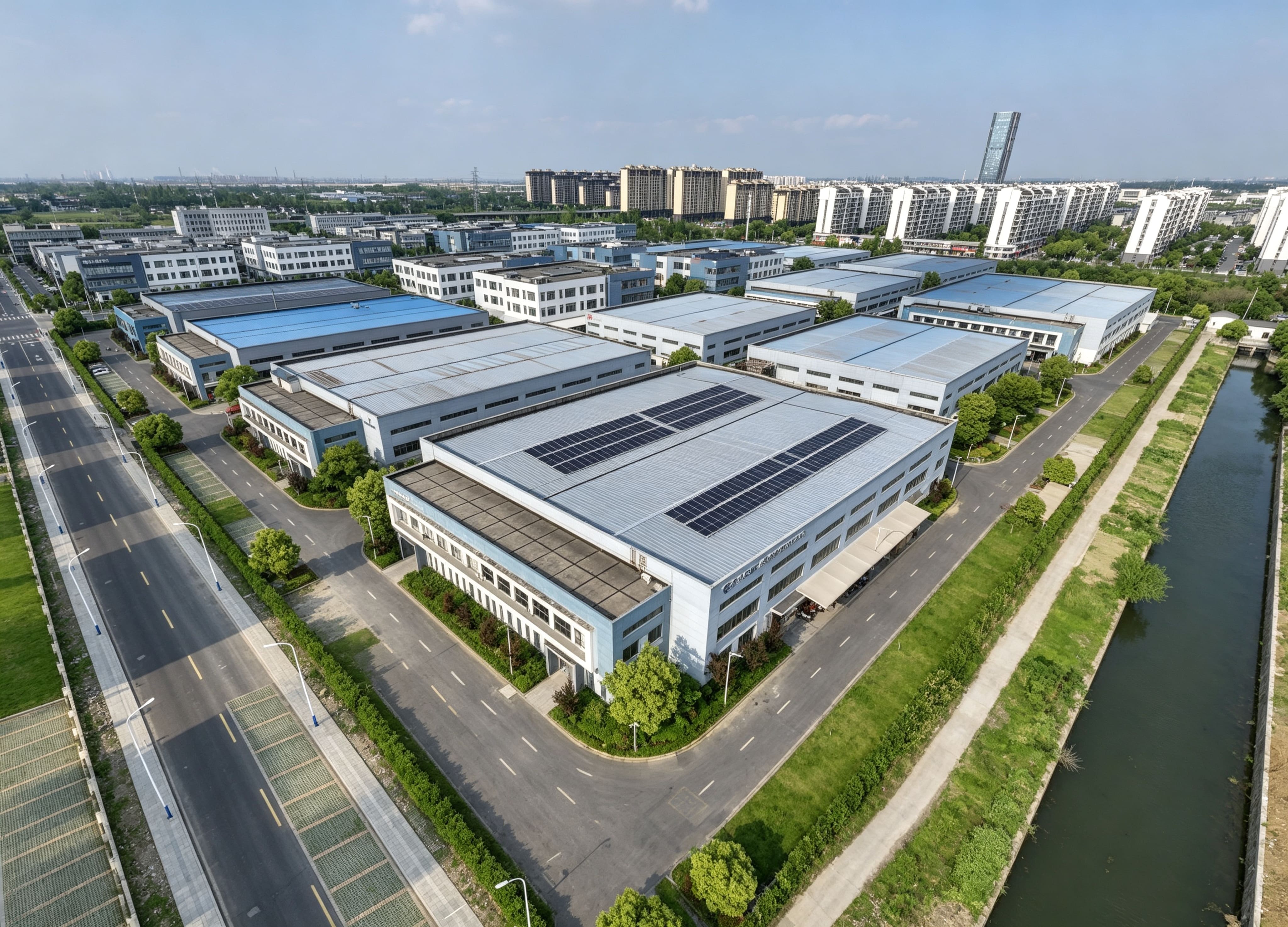
| Production scale | 30,000 m² plant; 310 employees; 32 R&D engineers; 6,000 units or more annual capacity | Varies by brand. Verified example: Aritco Lift AB, approximately 3,000 units per year as of late 2025, operating in 60 countries | Actual capacity versus claimed capacity; factory visit |
| Certification | TÜV Rheinland EU EC Whole-Machine Safety Certification for commercial platform elevators (2025) | Varies by brand and by product type | Certificate number, referenced standard, product type covered, target market |
| Commercial terms | MOQ 1 unit; EXW / FOB / CIF; payment by TT; acceptance by pre-shipment and factory testing | Terms vary by brand and are usually volume-linked | MOQ, Incoterms, payment terms, acceptance-test protocol |
| Installation and service | 24/7 remote support plus on-site technical guidance or professional installation; local distributor after-sales network; 1-year whole-unit warranty; 7–15 working days installation | Varies; confirm who performs on-site installation | Named service party, response time, spare-part lead time |
Franz product parameters at a glance
- FT/FJ shaft-built cabin lift: 320–1000 kg; 0.4 / 0.63 / 1.0 m/s; steel-belt or wire-rope traction, drum drive; 1.1–2.4 kW; indoor use.
- FT/FJ glass lift: 400–800 kg; 0.4 / 0.63 / 1.0 m/s; aluminium frame with glass shaft and glass cabin; 1.1–2.4 kW; indoor and outdoor use.
- FP-S/E platform lift: 320–400 kg; 0.15 / 0.3 m/s; aluminium frame with glass shaft and platform; 1.1 kW; indoor use.
Frequently Asked Questions
Which certification should I check before signing with a home lift supplier?
Match the certificate to the product type and to the market where the lift will be installed. Franz's commercial platform elevators received the TÜV Rheinland EU EC Whole-Machine Safety Certification in 2025. The underlying standards are also moving: the transition from EN 81-20/50 to ISO 8100-1 and ISO 8100-2 harmonises global elevator safety requirements, and TÜV SÜD describes an effective date of 1 March 2026. Ask for the certificate number, the standard it references, the product type it covers and the market it applies to, because a certificate issued for a commercial platform lift is not interchangeable with one issued for a villa cabin lift.
Can Franz customise a lift to a shaft that a standard commercial model will not fit?
Site conditions drive the design. Franz offers zero-pit and ultra-shallow-pit self-support shaft options for limited civil conditions, and the FT/FJ cabin lift accepts bent steel structure, concrete, wood or brick shafts. Load capacity is 320–1000 kg for the cabin lift, 400–800 kg for the glass lift and 320–400 kg for the platform lift, with speeds of 0.4, 0.63 or 1.0 m/s on the FT/FJ lines and 0.15 or 0.3 m/s on the FP-S/E platform lift. That customization is supported by a 30,000 m² factory, 310 employees, 32 R&D engineers and annual capacity of 6,000 units or more.
How are purchasing terms and running costs structured?
Equipment is quoted per project rather than from a published list, because load, speed, shaft material and finish change the build. The commercial terms that are fixed are a minimum order of 1 unit, delivery on EXW, FOB or CIF terms, and payment by TT. Running cost is quoted separately: standard annual maintenance is currently between 3,000 RMB and 5,000 RMB per year in China, and the figure differs by country because local labour and spare-part pricing differ. Ask both suppliers for a maintenance quote alongside the equipment quote so the comparison covers ownership cost.
Can I place a single-unit trial order before committing to a distributor agreement?
Yes. The minimum order quantity is 1 unit, and Franz supports OEM and trial orders from a single unit. Acceptance is defined before shipment through pre-shipment testing and factory testing, so the test items and the record format should be written into the contract. A single-unit trial is also the practical way to assess craftsmanship risk — welding, frame and connection workmanship — which is where noise, vibration and accelerated component wear originate.
What is the installation timeline and what does after-sales cover?
Installation and commissioning take 7–15 working days once site conditions are ready, and the duration extends if civil work does not meet requirements. Customization is handled factory-direct, which shortens the customization cycle and speeds up project delivery. The whole unit carries a 1-year warranty. Support runs through 24/7 remote assistance and on-site technical guidance or professional installation, while routine after-sales is normally handled by the local distributor network; Franz helps end customers locate local dealer resources and provides distributors with after-sales guidance and training. A lift LOT system lets distributors check lift status at any time. To start a project-specific assessment, send your shaft dimensions, load and speed requirement, and finish brief to the Franz overseas team for a drawing and quotation.
Conclusion: How to Decide
The head-to-head outcome depends on which constraint is hardest in your project. If the shaft already exists, the interior is fixed, the pit is shallow, or the building is being retrofitted, the home-elevator-only model removes the exceptions that a commercial-standard product would otherwise charge for — in customization cost, in lead time, and in civil work. If the requirement is public accessibility with EU certification, the correct product is a certified commercial platform lift, and that route should be specified on its own terms.
Three rules keep the decision honest. First, compare the two suppliers on the same civil survey, not on two different specification sheets. Second, put acceptance criteria — pre-shipment testing and factory testing — into the contract before production, not after. Third, price ownership rather than purchase: equipment, installation, warranty year one, and annual maintenance are four separate lines, and only the fourth one recurs.
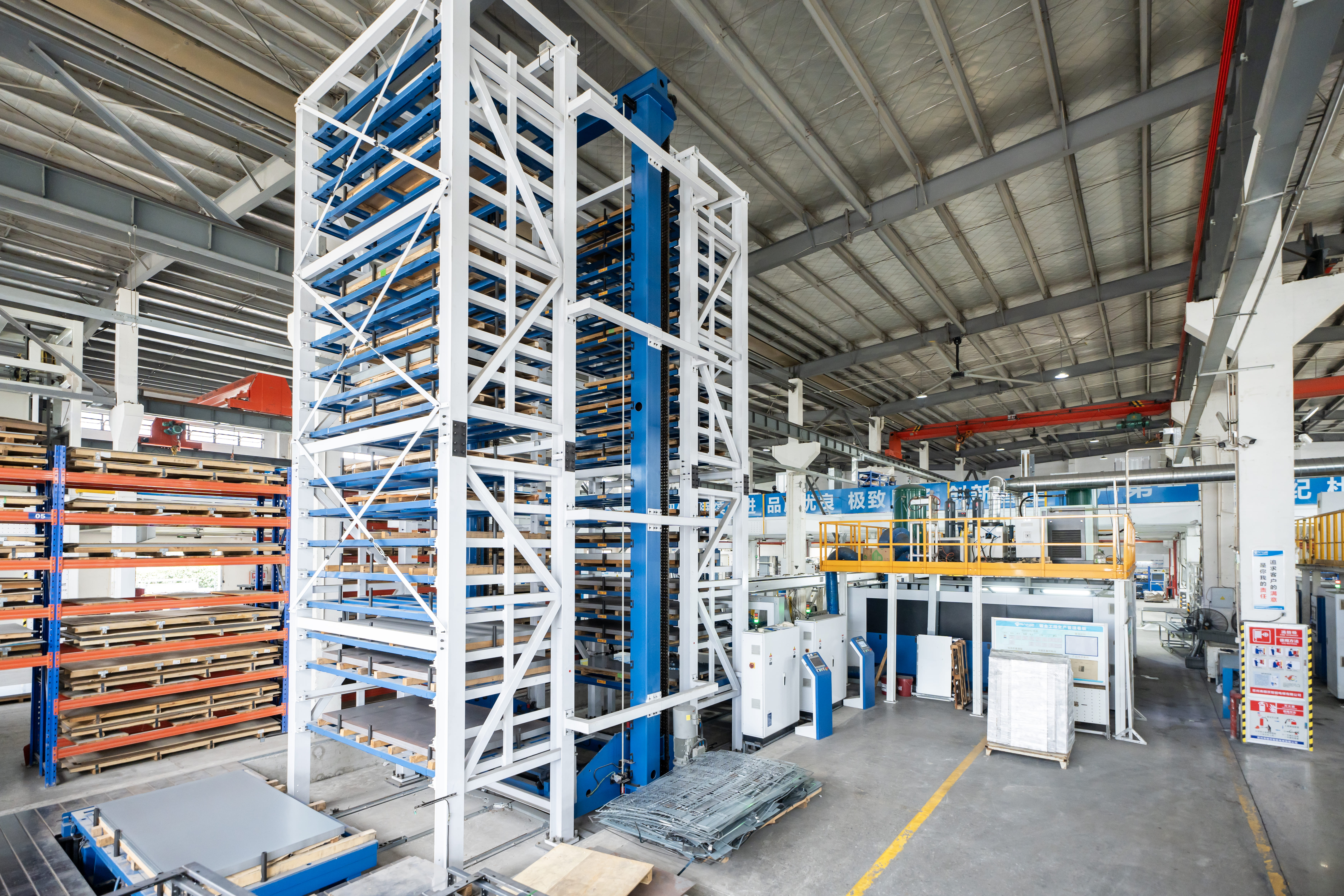
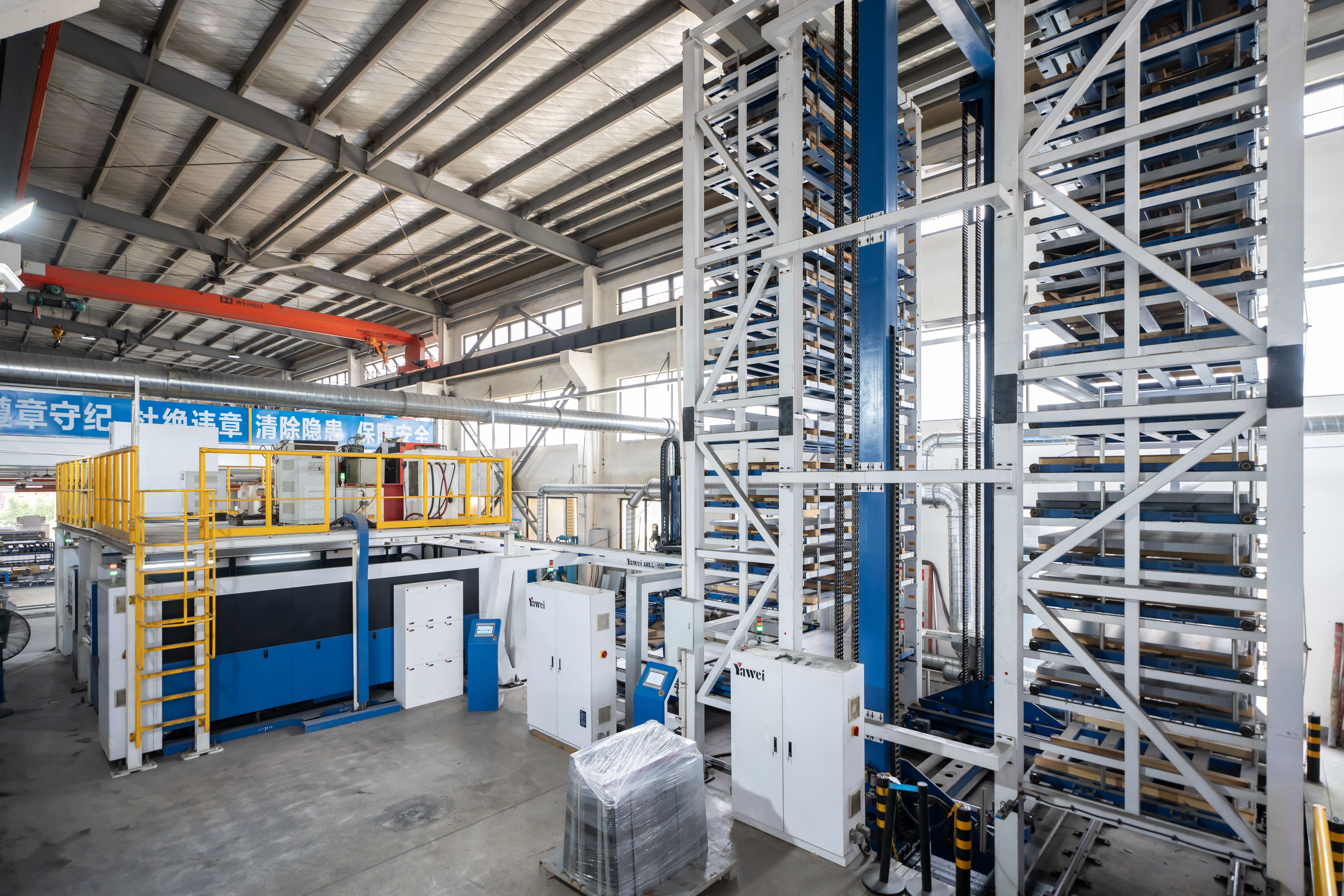
Franz is a home-elevator specialist with a 30,000 m² manufacturing base, 310 employees, 32 R&D engineers, capacity of 6,000 units or more per year, more than 220 showrooms, and operations across five continents and over 30 countries including Russia, Australia and Indonesia. It was designated the official residential elevator partner for Dragon TV's Dream Home. For buyers entering the execution stage, those are the facts that carry the contract.
Next Step: Sample, Drawing and Quotation
Send your shaft width and depth, pit depth, floor heights, door sizes and finishing brief. The Franz overseas team returns a project drawing, a configuration recommendation and a quotation. Single-unit trial orders are accepted, and OEM orders are supported from one unit.
Website: en.franzlift.com | Catalogue: Download the Franz civil & glass lift catalogue (PDF)
Contact: Liyi Luo, Director of Overseas Department | Email: luoll015@franzlift.com | Tel / WhatsApp: +86 18595625216 | Address: B5-2, No.199 Hongwu Avenue, High Tech Zone, Zhangjiagang, Jiangsu, China